


Rajasthan Travel Guide: Royalty, Culture & Local Magic with Itinerary
Rajasthan — the Land of Kings — is India’s most dramatic, colourful, and culturally rich state. From the golden sand dunes of Jaisalmer to the blue lanes of Jodhpur, the pink streets of Jaipur to the romantic lakes of Udaipur, Rajasthan is a destination that overwhelms the senses in the most beautiful way possible. This 7-day Rajasthan itinerary by Root Indians is designed to give Indian travellers the perfect blend of history, culture, adventure, and cuisine — all in one unforgettable royal journey.
At a Glance
| Detail | Information |
| Destination | Jaipur → Via Pushkar→ Udaipur→ Via Ranakpur→ Jodhpur→ Jaisalmer Rajasthan |
| Duration | 7 Days Recommended |
| Nearest Airport | Jaipur International Airport / Delhi Airport |
| Best Train Entry | Jaipur Junction / Delhi |
| Budget (approx.) | ₹20,000–₹55,000 per person (mid-range) |
| Best Season | October–March |
Best Route for 7 Days Rajasthan
The most efficient and scenic route recommended by Root Indians is the Golden Triangle + Desert Circuit:
Jaipur → Via Pushkar→ Udaipur→ Via Ranakpur→ Jodhpur→ Jaisalmer Rajasthan
This route covers the best of Rajasthan — royal cities, desert landscapes, and lake palaces — in a logical, travel-friendly sequence that minimizes backtracking and maximizes experiences.
Day-by-Day Itinerary
Day 1: Arrival in Jaipur — The Pink City
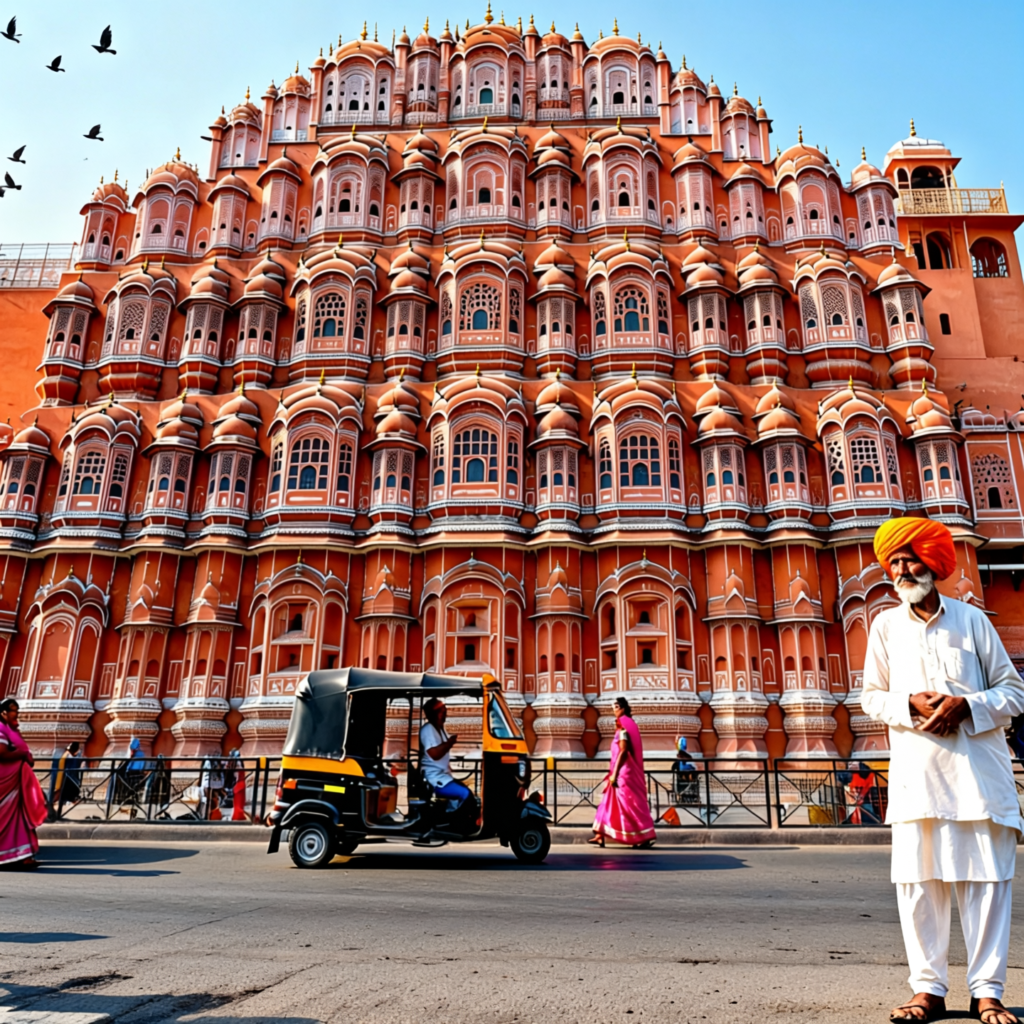
Arrive in Jaipur by flight or train. Most Indian travellers from Mumbai, Delhi, Hyderabad, and Chennai reach Jaipur comfortably by morning. Check in to your hotel and begin exploring in the afternoon. Visit Hawa Mahal (Palace of Winds), the iconic five-storey pink sandstone facade that is Jaipur’s most photographed landmark. In the evening, explore the vibrant Johari Bazaar for Rajasthani jewellery, textiles, and street food. Enjoy a welcome dinner of Dal Baati Churma at a traditional Rajasthani dhaba.
Day 2: Jaipur Sightseeing — Forts, Palaces & Bazaars
Start early with a visit to the majestic Amber Fort, a 16th-century Rajput masterpiece perched on a hilltop. Take an elephant ride or jeep up to the fort entrance. Proceed to Jaigarh Fort for panoramic views of the Aravalli Hills. In the afternoon, visit City Palace — a stunning blend of Mughal and Rajput architecture — and Jantar Mantar, the UNESCO-listed astronomical observatory built by Maharaja Jai Singh II. End the day with shopping at Bapu Bazaar for blue pottery, mojris (traditional footwear), and Sanganeri printed fabrics.
Day 3: Jaipur to Udaipur via Pushkar — The Sacred Stopover
Drive from Jaipur to Pushkar (approximately 3 hours, 150 km). Pushkar is one of India’s oldest and most sacred cities — home to the only Brahma Temple in the world and the holy Pushkar Lake whose ghats are lined with priests, pilgrims, and flower offerings. Explore the lively bazaars selling silver jewellery, tie-dye fabrics, and Rajasthani handicrafts.
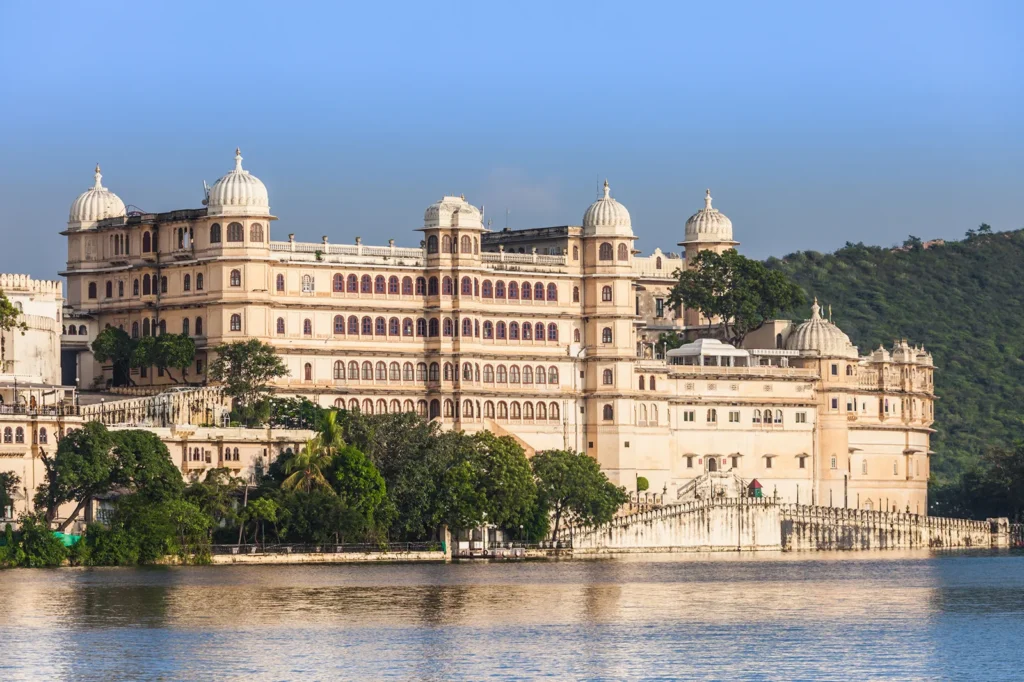
After Pushkar, continue the drive toward Udaipur (approximately 5 hours, 280 km from Pushkar). Arrive in Udaipur by evening, check in to your hotel, and take a gentle sunset stroll along the banks of Lake Pichola as the Lake Palace, boat ride on Lake Pichola,. Visit the Jagdish Temple, a large Hindu temple dedicated to Lord Vishnu. Explore the colorful local markets around the temple area, famous for miniature paintings, silver jewelry.
Day 4: Full Day Udaipur — The City of Lakes & Palaces
A full day sightseeing tour of Udaipur, Proceed to City Palace Udaipur — the largest palace complex in Rajasthan, built over 400 years by successive Mewar rulers. Explore its stunning crystal gallery, royal courtyards, ornate balconies, and breathtaking views over the lake below. After lunch visit the beautiful Saheliyon ki Bari (Garden of the Maidens) — a royal garden with lotus pools, marble elephants, and delicate fountains built by Maharana Sangram Singh for the ladies of the royal household. The cultural museum at Bagore ki Haveli where a traditional Rajasthani folk dance performance takes place every evening. As the sun sets, head to Fateh Sagar Lake and enjoy the panoramic views from Nehru Park island.
Day 5: Udaipur to Jodhpur Via Ranakpur — The Blue City
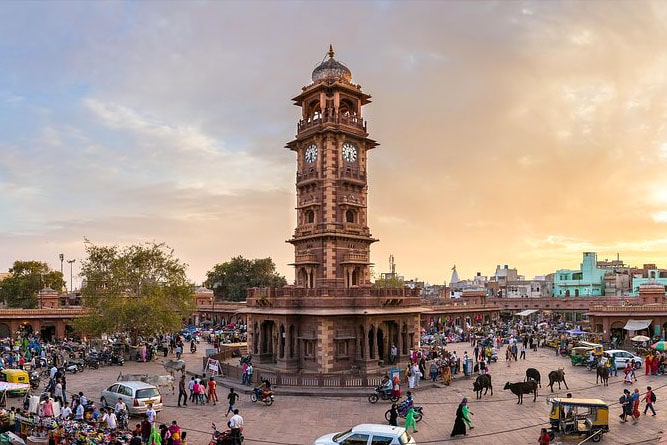
The Blue City of Rajasthan, approximately 250 km from Udaipur. Visit the magnificent Ranakpur Jain Temple, one of the largest and most important temples of the Jain religion. Continue driving through the rugged Aravalli Hills and arrive at Jodhpur in the evening. Check in to the hotel. Later, visit the magnificent Umaid Bhawan Palace, one of the largest private residences in the world. Visit the serene Jaswant Thada — a white marble cenotaph built in memory of Maharaja Jaswant Singh II, set beside a tranquil lake with beautiful garden grounds. Take a walk through the old walled city and explore the famous Sardar Market and Ghanta Ghar (Clock Tower) area. Overnight stay in Jodhpur.
Day 6: Jodhpur to Jaisalmer — The Sam Sand Dunes
A sightseeing tour of Jodhpur. Begin with a visit to Mehrangarh Fort, one of the largest and most magnificent forts in India. Explore the seven gates of the fort, the ornate royal apartments, the Moti Mahal (Pearl Palace), the Phool Mahal (Flower Palace), and the fascinating museum. Enjoy the breathtaking panoramic view of the Blue City, with its thousands of blue-painted Brahmin houses creating a stunning visual spectacle.
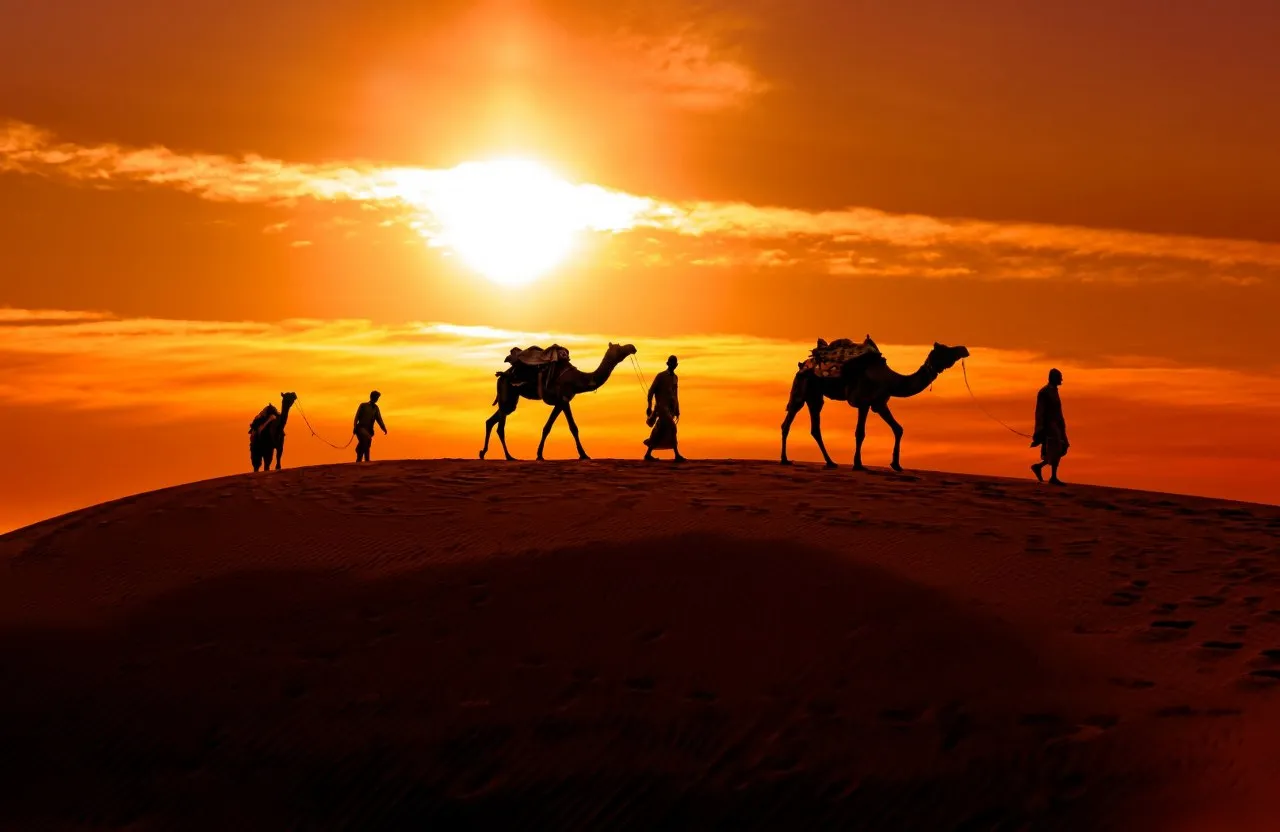
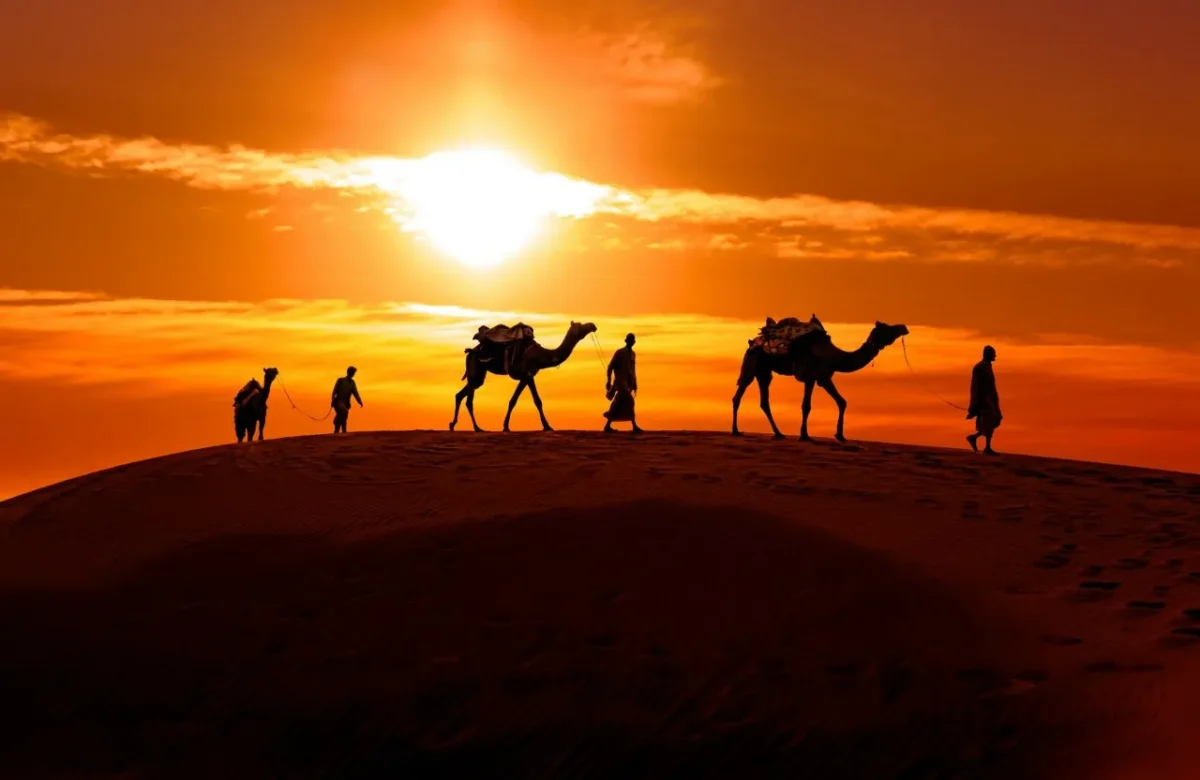
the onward drive to Jaisalmer, The road to Jaisalmer cuts through the heart of the Thar Desert — Arrive in Jaisalmer by evening. Sam Sand Dunes (42 km from Jaisalmer) for the grand finale of your royal Rajasthan journey — a golden camel safari across the sweeping Thar Desert dunes as the enormous desert sun melts dramatically into the horizon in a blaze of orange and crimson. Stay for the magical Rajasthani folk music and dance performance at a luxury desert camp under a sky blazing with thousands of stars undimmed by city light. Savor a delicious Rajasthani dinner at the desert camp featuring dal baati churma, ker sangri, and other local specialties Overnight Stay in Sam Sand Dunes
Day 7: Full Day Jaisalmer & Departure — The Fort & Havellis
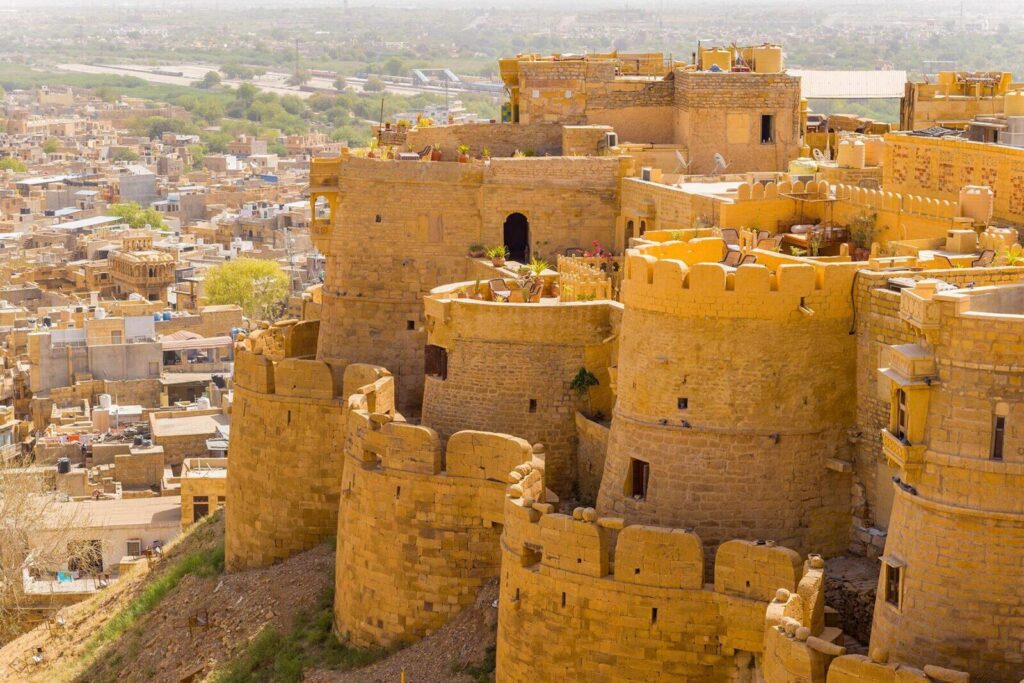
The Golden City of Rajasthan, proceed for a sightseeing tour of Jaisalmer. Begin with Head to the haunting Kuldhara Abandoned Village (18 km from Jaisalmer) — a ghost town deserted overnight in 1825 by an entire community of Paliwal Brahmins, never to return. Patwon ki Haveli , Proceed Visit the magnificent Jaisalmer Fort, also known as Sonar Quila (Golden Fort), a UNESCO World Heritage Site. Explore its ornate Jain temples inside the fort walls and soak in the ancient, timeless atmosphere of a fort. Salim Singh ki Haveli and Nathmal ki Haveli. Visit the peaceful Gadisar Lake on the outskirts of the city.
Depart from Jaisalmer Airport or Jaisalmer Railway Station for your onward journey, carrying the golden dust of the Thar Desert and memories of a truly royal, unforgettable Rajasthan adventure arranged end-to-end by Root Indians.
Trip Highlights of Rajasthan
- Amber Fort and Hawa Mahal in Jaipur — iconic Rajput architecture
- Mehrangarh Fort in Jodhpur — one of India’s most magnificent forts
- Sam Sand Dunes in Jaisalmer — camel safari and desert camping under the stars
- City Palace and Lake Pichola in Udaipur — the most romantic city in India
- Pushkar Lake and Brahma Temple — one of India’s most sacred pilgrimage sites
- Ranthambore National Park — tiger safari in a royal setting
- Jaisalmer Golden Fort — a UNESCO World Heritage living fort
- Stepwells of Rajasthan — Chand Baori in Abhaneri and Panna Meena ka Kund
- Traditional Rajasthani folk music and puppet shows
- Shopping for Bandhani textiles, blue pottery, and gemstones in Jaipur
Best Time to Visit
October to March is the sweet spot, with pleasant temperatures ideal for exploring forts, doing camel safaris, and desert camping. Monsoon (July–September) is underrated for its greenery and crowd-free sightseeing. Summers are brutal and best avoided unless you’re chasing specific festivals.
Food & Culture of Rajasthan
- Dal Baati Churma — the definitive Rajasthani dish; baked wheat balls with lentils and sweet churma
- Laal Maas — fiery red mutton curry, a Rajput warrior’s staple
- Gatte ki Sabzi — gram flour dumplings in spiced yoghurt gravy, perfect for vegetarians
- Ker Sangri — a desert bean and berry dish unique to Rajasthan
- Pyaaz Kachori — flaky deep-fried pastry stuffed with spiced onions, best in Jodhpur
- Mawa Kachori — sweet kachori filled with khoya and dry fruits, a Jodhpur speciality
- Mirchi Bada — large green chillies stuffed with potato, fried in batter
- Rajasthani Thali — a royal platter of 15+ dishes served on a silver thaali
- Lassi — thick, creamy, and served in matka (earthen pots) across Rajasthan
Culture & Etiquette
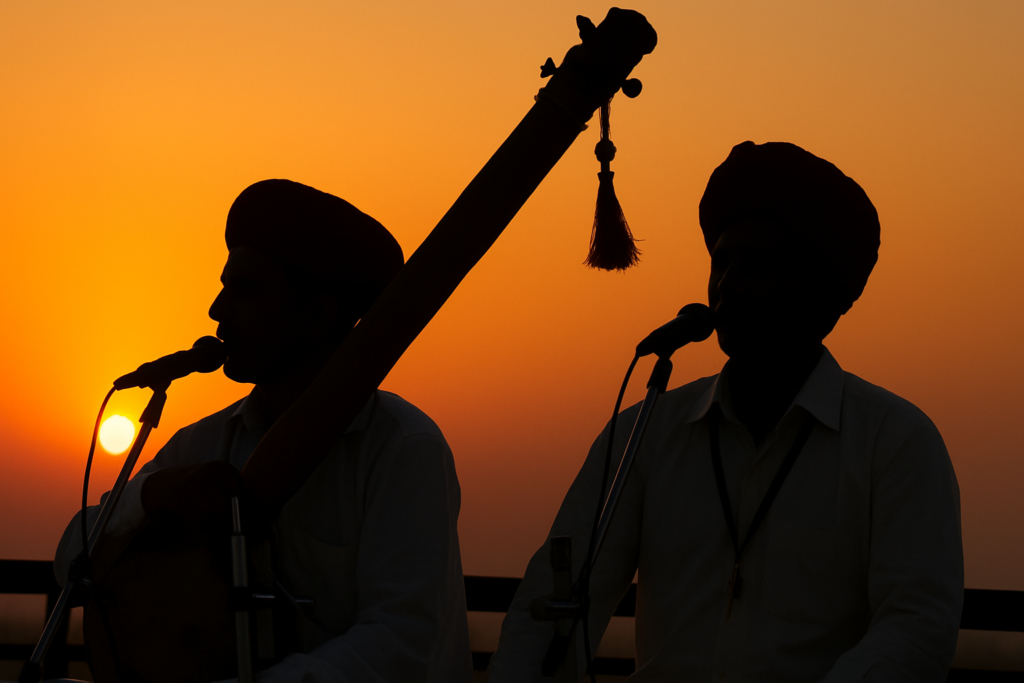
Rajasthan is deeply rooted in Rajput pride, hospitality, and tradition. The concept of Atithi Devo Bhava (Guest is God) is taken very seriously here. Dress modestly when visiting temples and heritage sites. Respect local customs, especially during religious festivals. Photography inside some palaces and temples requires a fee — always ask before clicking. Bargaining in bazaars is expected but be respectful. Rajasthani folk art — Ghoomar dance, Kalbeliya dance, puppet shows, and Manganiyar music — is a living cultural tradition that every visitor should experience.
Best Places to Visit in Rajasthan
Jaipur
Amber Fort and Jaigarh Fort
Hawa Mahal — Palace of Winds
City Palace and Jantar Mantar
Nahargarh Fort — sunset viewpoint
Johari Bazaar and Bapu Bazaar
Jodhpur
Mehrangarh Fort — the crown of Jodhpur
Umaid Bhawan Palace — still home to the royal family
Jaswant Thada — marble cenotaph with lake views
Clock Tower Market — street food and spices
Jaisalmer
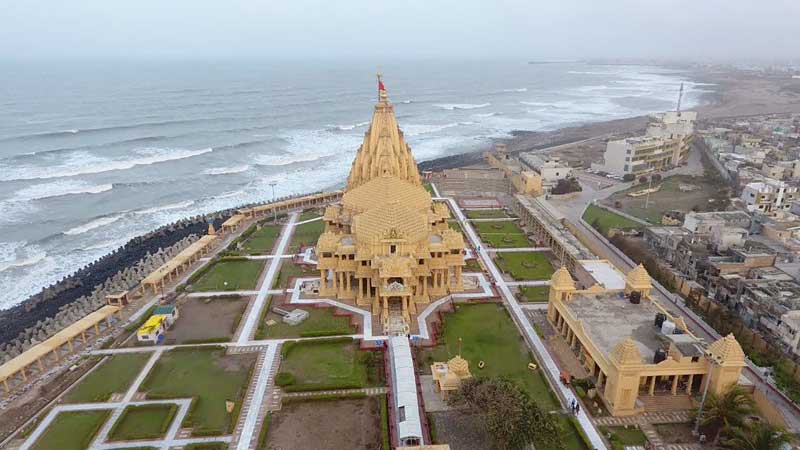
Sonar Quila — Jaisalmer Golden Fort (UNESCO)
Sam Sand Dunes — camel safari and desert camps
Patwon ki Haveli — ornate merchant mansion
Gadisar Lake — serene sunset spot
Udaipur
City Palace Udaipur — largest palace in Rajasthan
Lake Pichola and Fateh Sagar Lake
Saheliyon ki Bari — Garden of the Maidens
Bagore ki Haveli — cultural museum and dance shows
Shilpgram — rural arts and crafts village
Why Choose Root Indians for Your Rajasthan Trip?
- Expertise Guide: Deep knowledge of the region’s history, culture, and hidden gems, Root Indians goes far beyond standard package tours.
- Customized Itineraries: Whether you are planning a family holiday, a honeymoon, a group trip, or a solo adventure, Root Indians designs your Rajasthan journey around your budget, interests, and travel pace
- Handpicked Heritage Stays: Root Indians curates a selection of the finest heritage hotels
- Transportation: From airport pickups to inter-city transfers across the vast distances of Rajasthan, Root Indians arranges comfortable, air-conditioned vehicles with experienced local drivers who double as knowledgeable guides.
- No Hidden Costs: Transparent pricing with everything included — accommodation, transport, entry fees, and curated experiences. Root Indians ensures maximum value for every rupee you spend.
- 24/7 On-Ground Support: Rajasthan is a large state and road trips can be long.
Root Indians understands Indian travel needs — vegetarian meal requirements, family-friendly scheduling, budget consciousness, and the importance of capturing that perfect Instagram moment at Hawa Mahal or the sand dunes of Jaisalmer.
For more information visit our website www.rootindians.com or contact on +91 78777 38437 For Customized itinerary.
Frequently Asked Questions (FAQs)
Q: How many days are enough for Rajasthan?
A: A minimum of 7 days is recommended to cover Jaipur, Jodhpur, Jaisalmer, and Udaipur comfortably. For a deeper experience including Pushkar, Ranthambore, and Bikaner, 10–12 days is ideal.
Q: What is the best way to travel between cities in Rajasthan?
A: Trains are the most comfortable and scenic option for longer distances. For flexibility and convenience, Root Indians recommends private cab transfers — especially for the Jodhpur to Jaisalmer leg, which is a scenic desert highway drive.
Q: Is Rajasthan suitable for vegetarians?
A: Absolutely. Rajasthan is largely vegetarian by tradition and some of India’s finest vegetarian cuisine originates here. Dal Baati Churma, Gatte ki Sabzi, Ker Sangri, and the Rajasthani Thali are all vegetarian delights.
Q: What should I buy in Rajasthan?
A: Jaipur is famous for blue pottery, gemstones, and Bandhani textiles. Jodhpur is known for antiques and furniture. Jaisalmer is perfect for camel leather goods and mirror-work textiles. Udaipur is best for miniature paintings and silver jewellery.
Q: Are desert camps in Jaisalmer safe and comfortable?
A: Yes, reputed desert camps near Sam Sand Dunes offer luxury tents with attached bathrooms, electricity, and cultural performances. Root Indians only recommends verified, quality-checked camps for its travellers.
Q: Is Rajasthan good for a honeymoon?
A: Rajasthan is one of India’s top honeymoon destinations. Udaipur — often called the Venice of the East — is especially romantic with its lake palaces and heritage hotels. Jaisalmer’s desert camps under a starlit sky are equally magical for couples.
Q: Are there any discounts available for monument entry fees?
A: Yes, visitors can save money on monument entry fees in Rajasthan by following these helpful tips:
- Student Discounts:
Many popular monuments such as Amber Fort, Hawa Mahal, and Mehrangarh Fort offer discounted tickets for students. Travelers must carry a valid physical school or college ID card. International students can use an ISIC (International Student Identity Card) to avail these benefits. - Composite Tourist Ticket in Jaipur:
If you are planning to spend two days in Jaipur, purchasing the Composite Tourist Ticket is the best value option. It costs approximately ₹300 for Indian visitors and ₹1,000 for foreign tourists and includes entry to Amber Fort, Albert Hall Museum, Jantar Mantar, Hawa Mahal, and Nahargarh Fort. This ticket can save up to 40% compared to buying individual tickets. - Online Booking Discounts:
In 2026, booking monument tickets through official government apps or the ONDC network can offer small discounts (₹5–₹50 per ticket). Online booking also helps travelers skip long queues at ticket counters, especially during peak tourist seasons.